
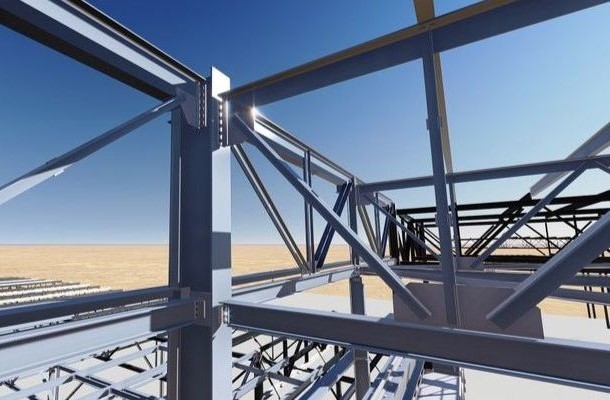
Choosing a fabrication partner is one of the highest-stakes decisions in any structural steel project. Get it right, and steel arrives on site cut, drilled, and welded to spec, ready for erection without delay. Get it wrong, and you're looking at missed deliveries, failed inspections, and rework that eats straight into your margin.
The single most reliable filter for that decision is certification. Working with AISC Certified Fabricators tells you, before you ever sign a contract, that a shop's welding procedures, quality systems, and personnel have been independently audited against a national standard — not just self-reported on a sales call.
This guide walks through exactly what to check, in what order, before you commit to a fabrication shop.
Why Certification Should Be Your Starting Point, Not an Afterthought
A lot of buyers evaluate fabricators on price and lead time first, then check credentials later as a formality. That order causes problems. Certification isn't a marketing badge — it's a record of an independent audit covering welding qualifications, material traceability, and documented quality procedures.
When you start with AISC Certified Fabricators as your baseline pool and only then compare price and schedule, you eliminate the shops most likely to cause compliance headaches down the line — building department rejections, failed special inspections, or an engineer of record refusing to sign off on delivered steel.
Step 1: Verify the Right Certifications
Not all AISC certifications cover the same scope of work, so matching the certification category to your project type matters as much as the certification itself.
AISC Certification Categories to Check
-
Conventional Steel Building Fabricator — general structural steel for commercial and industrial buildings
-
Major Steel Bridge Fabricator — required for most public bridge and transportation projects
-
Simple Steel Bridge Fabricator — smaller, less complex bridge work
-
Sophisticated Paint Endorsement — needed if your project specifies high-performance coatings
-
Seismic Certification — required in high-seismic zones under IBC provisions
A structural steel fabrication company that only holds a conventional building certification isn't automatically qualified for bridge work or seismic-critical connections, even if they've done similar-looking jobs before. Ask specifically which category applies to your project scope, and ask to see the current certificate — not a renewal notice or an "in progress" status.
Beyond AISC: Related Credentials Worth Checking
-
AWS-certified welders on staff, not just AWS-qualified procedures
-
ISO 9001 quality management certification, if your project requires it
-
State or local licensing where the fabricator operates
-
OSHA safety compliance record
None of these replace AISC certification, but together they build a fuller picture of how seriously a shop treats process discipline.
Step 2: Review Experience and Project Portfolio
Certification tells you a shop is capable. Portfolio tells you whether they've actually done work like yours.
When evaluating commercial steel fabricators, ask for project references that match your building type and tonnage — not just their biggest or most photogenic job. A shop that's excelled at low-rise retail buildouts isn't necessarily equipped for a multi-story structure with complex moment connections.
What to Ask For
-
Three to five completed projects similar in scope, tonnage, and complexity to yours
-
Direct contact information for the general contractor or owner on those projects, not just marketing case studies
-
Photos or documentation of the actual erected structure, not just shop renderings
-
How long the fabricator has held their current AISC certification (a shop newly certified may have less depth of experience executing to that standard)
A five-minute call with a past client—asking specifically about delivery accuracy and how the shop handled a schedule problem—tells you more than any brochure.
Step 3: Assess Production Capabilities and Capacity
Even a well-certified, experienced fabricator can be the wrong fit if their shop can't physically handle your project's volume or schedule.
Capacity Questions to Ask
-
What is the shop's monthly tonnage output, and how much of that capacity is currently committed?
-
What cutting, drilling, and welding equipment do they run — CNC plasma/laser cutting, robotic welding, automated drilling lines?
-
Can they handle your heaviest or largest individual members without subcontracting?
-
Do they have in-house shot blasting and coating capability, or is that outsourced?
-
What is their current backlog, and where does your project fall in the queue?
Steel fabrication services that look identical on paper can have very different real-world throughput. A shop running near full capacity may quote an attractive price but struggle to hold your delivery date once other jobs compete for shop time.
Step 4: Understand Their Quality Control Process
AISC certification confirms a fabricator has a documented quality system — but you should understand what that system actually looks like in practice before steel starts moving through the shop.
What a Strong QC Process Includes
-
Material traceability from mill certificate through to the finished piece mark
-
Weld inspection procedures, including who performs visual and NDT inspection and at what frequency
-
Dimensional checks against approved shop drawings before shipment
-
A documented non-conformance and corrective action process — how they handle a piece that doesn't pass inspection
-
Final inspection sign-off before steel leaves the shop
Ask to see a sample inspection report or quality checklist from a past project. A fabricator confident in their process will share one without hesitation. One that's vague or defensive about this question is a warning sign, regardless of what their certification paperwork says.
Step 5: Confirm Delivery Timelines and Communication Practices
Certification and capability mean little if steel doesn't arrive when your erection crew needs it. Timeline reliability is where many otherwise-qualified fabricators fall short.
What to Confirm Before Signing
-
A realistic fabrication schedule tied to your actual approved-for-fabrication date, not an optimistic best case
-
How they sequence and phase deliveries for multi-zone or multi-building projects
-
Their process for communicating schedule risk early, rather than after a delay has already occurred
-
Who your point of contact is for day-to-day coordination, and their responsiveness on prior jobs
-
Buffer time built in for weather, material lead times, or inspection delays
A fabricator that gives you a single hard delivery date with no phased milestones is harder to hold accountable than one that provides a detailed, trackable schedule.
Certification Verifies Capability — Process Verifies Reliability
AISC Certified Fabricators give you a documented baseline: audited welding procedures, traceable materials, and an accountable quality system. But certification alone doesn't guarantee the shop is the right fit for your specific project, timeline, or budget.
The fabricators worth shortlisting are the ones that combine the right certification category for your project type, a portfolio of comparable work, capacity to actually hit your schedule, a quality process they can document and explain, and a communication style that surfaces problems early rather than after the fact.
Take the time to verify all five before you sign. It's far cheaper than discovering a gap after steel is already on order.
Frequently Asked Questions
Q1. What does it mean if a fabricator is AISC Certified?
It means the shop has passed an independent audit of its welding procedures, quality management system, personnel qualifications, and material traceability, and is re-audited periodically to maintain the certification.
Q2. Is AISC certification required by code?
Many state and local building codes, along with many project specifications, require or strongly prefer AISC-certified fabricators for structural steel work, particularly for public and commercial buildings.
Q3. Does AISC certification guarantee good communication and delivery performance?
No. Certification verifies process and quality controls, not scheduling reliability or communication practices — those need to be evaluated separately through references and direct conversation.
Q4. How do I confirm a fabricator's certification is current?
Ask for their current certificate number and category, and cross-check it against the AISC certification directory rather than relying on a claim alone.
Q5. Should I choose the lowest-cost certified fabricator?
Not automatically. Cost should be weighed against capacity, portfolio relevance, and quality process — the cheapest certified fabricator isn't necessarily the one best equipped for your specific project.
Q6. Can a fabricator be certified in one category but not qualified for my project type?
Yes. Certification categories are scope-specific — a fabricator certified for conventional steel buildings may not be certified for bridge work or seismic-critical structures, so always match the category to your project.